By Mike Kelly
June 5, 2026
Maintaining a beautiful and safe property requires making informed decisions about the greenery that surrounds your home. Property owners frequently face a critical dilemma when managing their landscape: determining whether a struggling or overgrown tree needs to be completely extracted or simply pruned. Both interventions serve distinct purposes in property management, and the incorrect approach can lead to unnecessary expenses or safety hazards. Partnering with professional local tree services allows property owners to accurately assess the structural integrity and health of their landscape before making a final decision.
The Overall Health of Your Trees
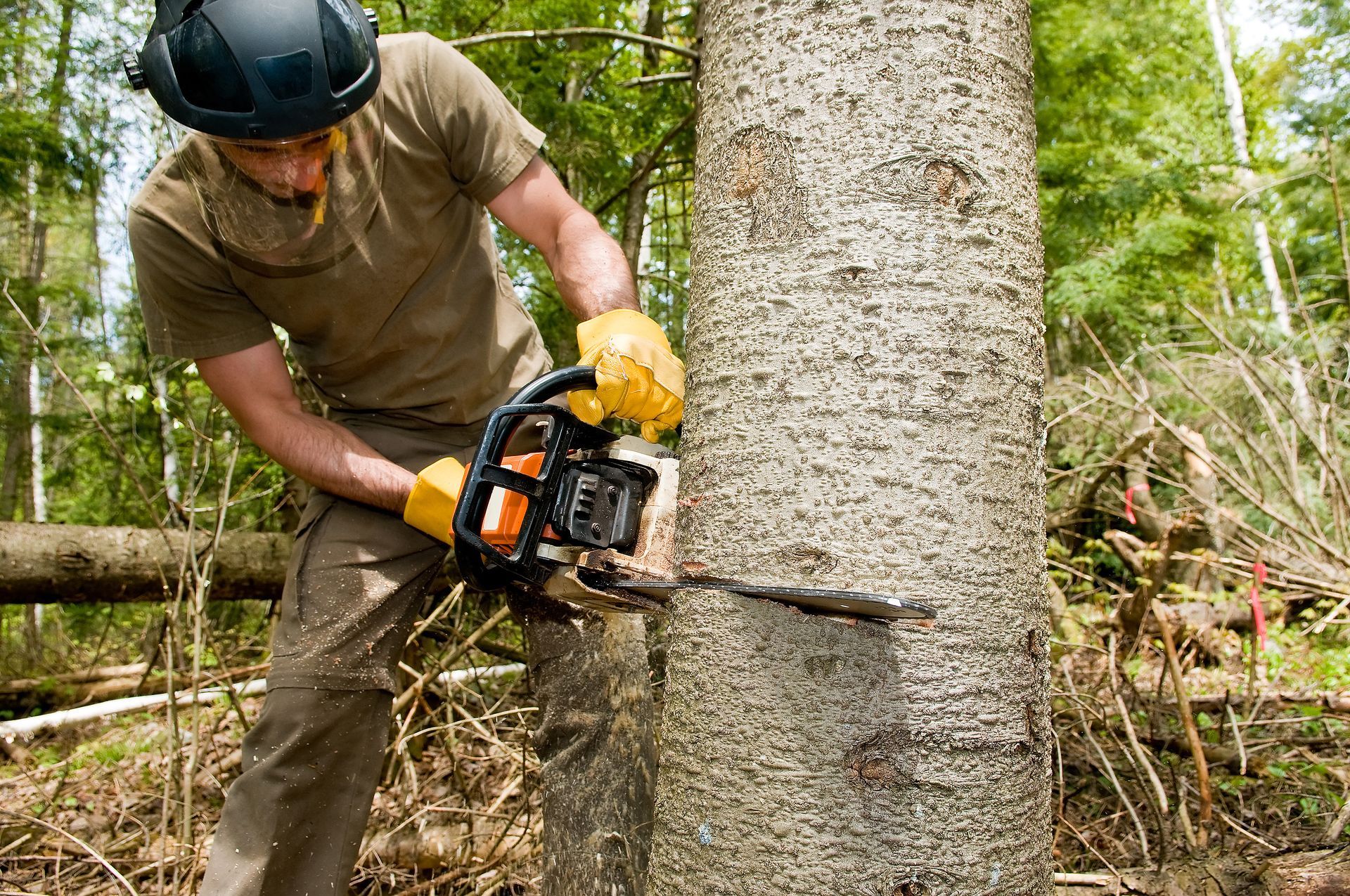
The overall vitality of a specimen is the most critical factor when deciding between extraction and pruning. Internal decay, widespread fungal infections, and extensive pest infestations often weaken the core structure beyond the point of recovery. When a tree loses its ability to transport nutrients or support its own weight, pruning becomes ineffective. In these severe scenarios, completely removing the structure is often the only viable option to protect the surrounding landscape from pests.
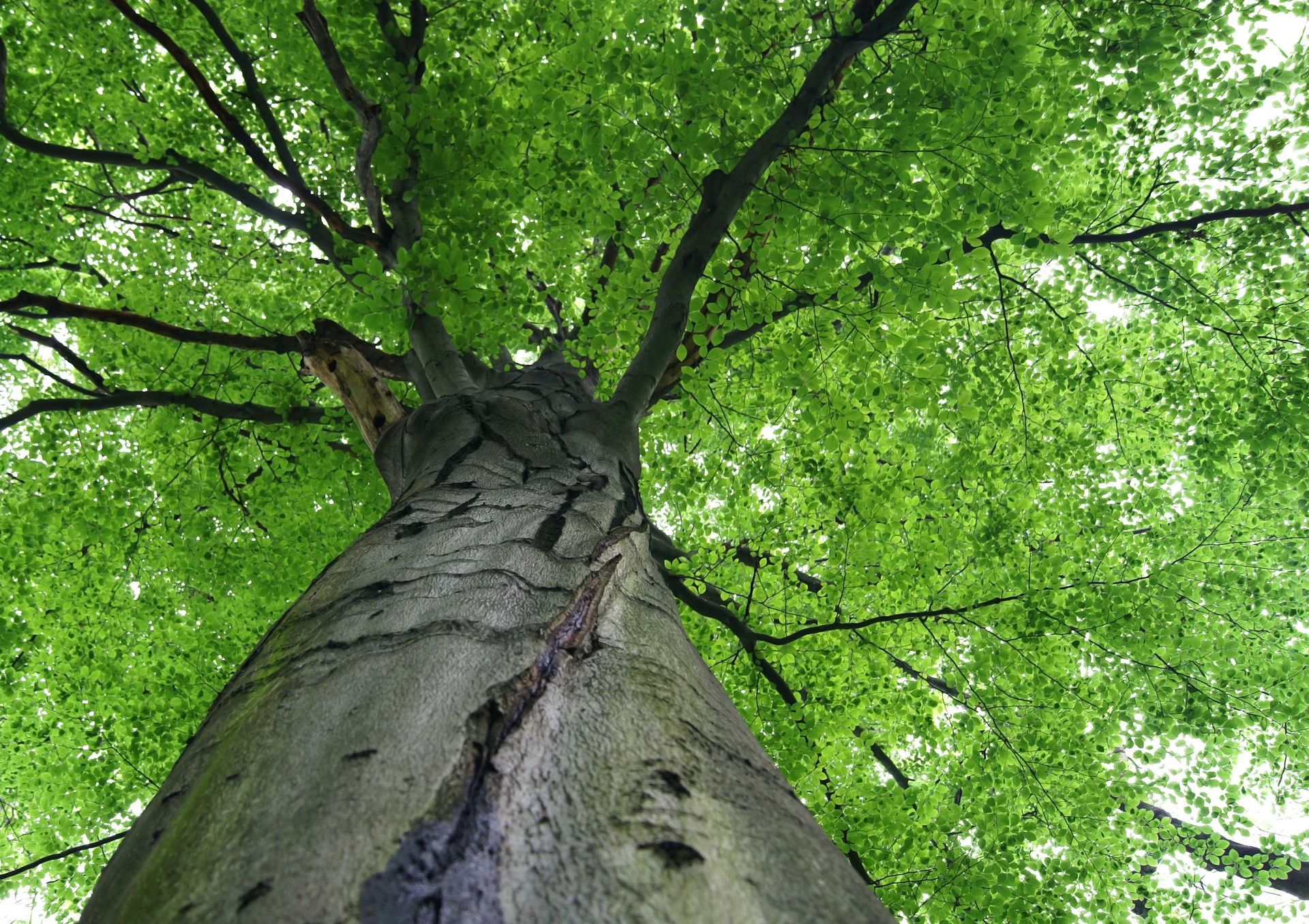
Conversely, minor canopy decline or localized branch death does not mean the entire plant is doomed. Targeted pruning can effectively isolate diseased limbs, stopping the spread of infection to the trunk and neighboring plants. Removing deadwood allows the remaining canopy to thrive by redirecting essential nutrients to the healthy sections. Professional local tree services can utilize advanced diagnostic tools to determine if the internal core is stable enough to justify preservation.
When evaluating health, the extent of the damage provides a clear mathematical baseline for action. As a general rule, if more than half of the canopy is dead or severely damaged, the specimen is unlikely to recover its structural integrity. In contrast, minor storm damage or broken limbs from unexpected winds can easily be managed with precise cuts. The primary goal is always to balance the long-term survival of the plant with the immediate safety of the property.
The Safety Risks to Your Property
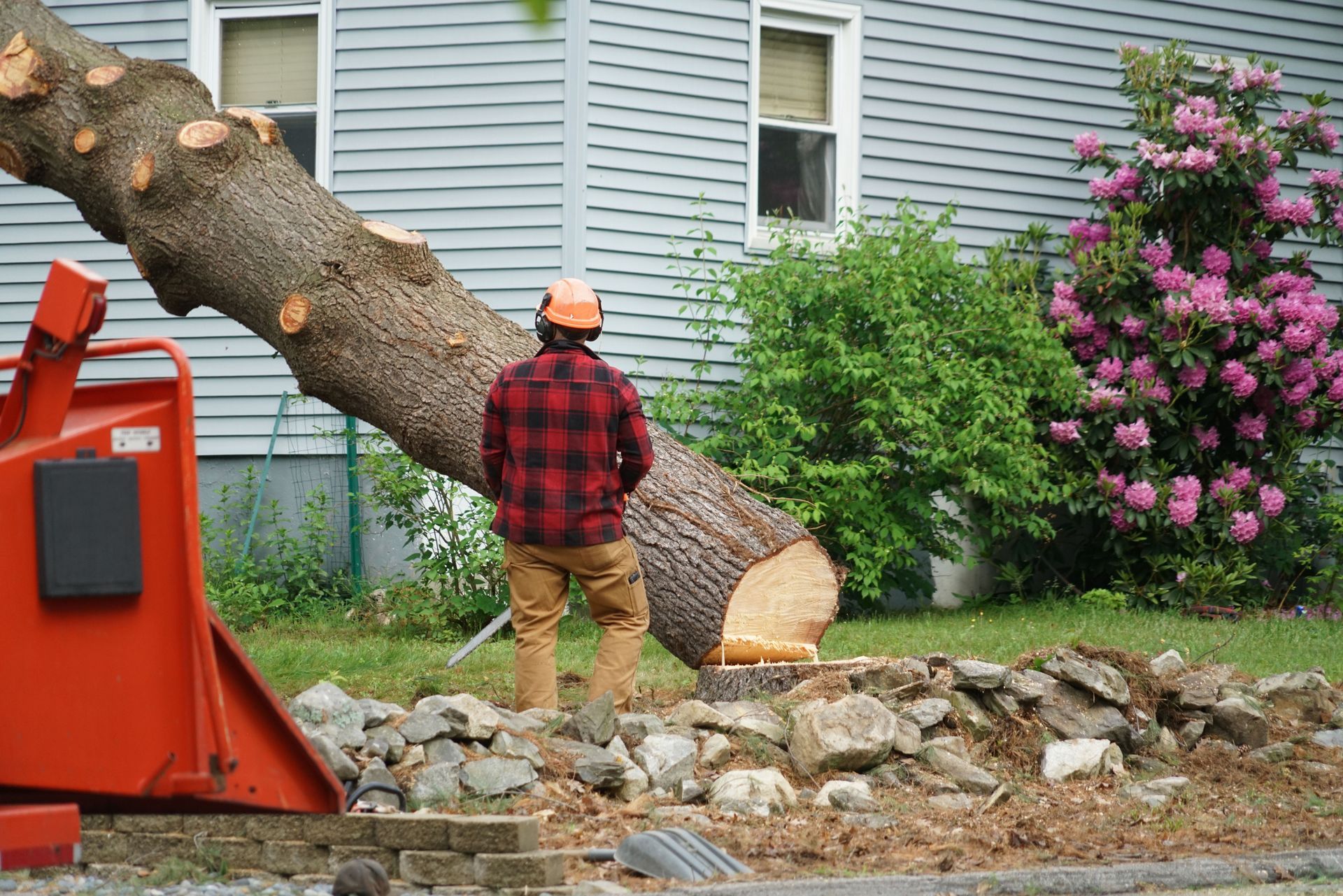
Safety risks should never be ignored when managing large growth near residential structures, power lines, or public walkways. A hollow trunk, a sudden leaning angle, or severely compromised roots pose an immediate threat of collapse during high winds. If a large specimen threatens the structural foundation of a home or hangs precariously over a roof, immediate extraction is necessary. Postponing this critical intervention can result in catastrophic property damage or personal injury during severe weather events.
On the other hand, many safety hazards can be mitigated through strategic canopy reduction without resorting to full extraction. Low-hanging branches that obstruct driver visibility, touch utility lines, or scrape against siding can be systematically pruned. Thinning out a dense canopy reduces wind resistance, making the entire structure less likely to topple during major storms. Utilizing local tree services for regular maintenance keeps potential hazards under control while keeping the landscape intact.
Property owners must also consider the hidden risks lurking beneath the surface of the soil. Root systems that disrupt sidewalks, crack retaining walls, or compromise underground plumbing present unique challenges that pruning cannot resolve. If the root system itself is causing structural failure to nearby infrastructure, extraction is usually the only permanent solution. Evaluating how a tree interacts with its immediate physical surroundings dictates which management strategy is most appropriate.
The Landscape Aesthetics of Your Yard
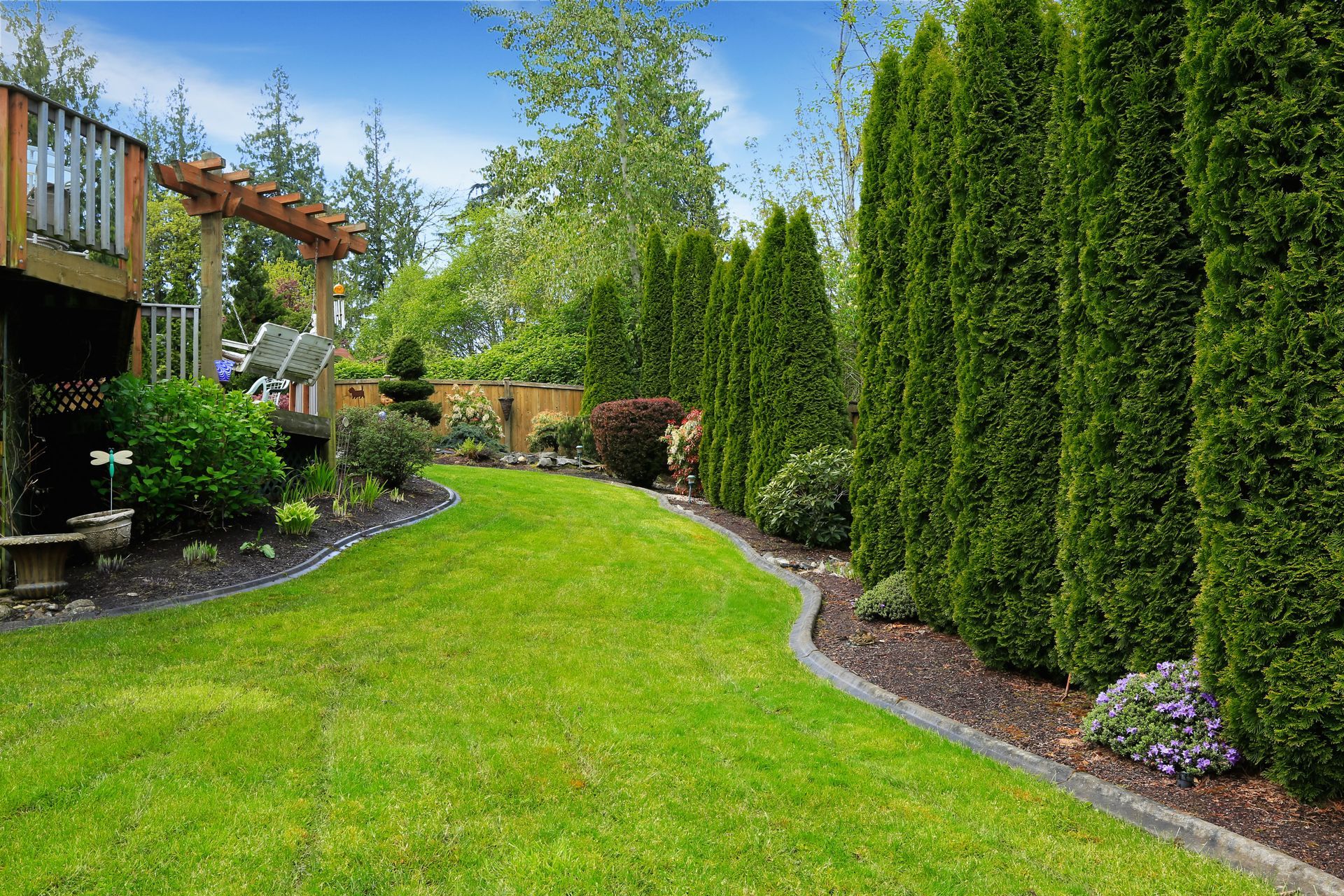
Aesthetics play a powerful role in property value and the overall enjoyment of an outdoor living space. An overgrown, misshapen specimen can block natural sunlight, crowd out desirable plants, and make an otherwise beautiful yard look neglected. Carefully sculpting the canopy restores visual balance, allows sunlight to reach underlying turf, and enhances the natural silhouette of the species. Regular canopy management transforms a wild thicket into a polished, deliberate focal point for your landscape design.
However, there are times when a tree completely disrupts the aesthetic harmony or intended design of a property. A specimen that was planted too close to a house may eventually dwarf the structure, ruining the architectural proportions of the home. In other cases, invasive species might rapidly multiply and choke out the native flora that you wish to cultivate. When a plant permanently clashes with the broader landscape goals, extracting it creates a blank canvas for better design choices.
Choosing between removal and shaping also impacts the microclimate of your outdoor living spaces. Proper thinning opens up scenic views and encourages refreshing airflow across patios, decks, and garden beds. If a tree is simply the wrong species for a specific location, removing it allows you to introduce more appropriate vegetation. Engaging local tree services ensures that your aesthetic decisions align with the botanical realities of your specific region.
The Long-Term Costs of Maintenance
Financial considerations are inescapable when managing mature growth over years or even decades. Retaining a structurally compromised or chronically diseased specimen can become a continuous financial drain for a property owner. Ongoing treatments for persistent pests, repeated emergency interventions after minor storms, and property repairs add up quickly. In these situations, investing in a one-time extraction is often the most fiscally responsible choice for the long term.
Pruning, by comparison, represents a proactive investment that prevents costly emergencies from developing in the future. Regular maintenance shaping removes weak attachments before they break, saving property owners from sudden storm cleanup costs. Well-maintained trees can live for centuries, consistently adding tangible value to residential real estate and lowering cooling costs by providing natural shade. Securing the assistance of local tree services for routine pruning extends the lifespan of your valuable green assets.
The age and growth rate of the specific species also heavily influence the long-term financial equation. Fast-growing, brittle species often require frequent attention and break easily, making them expensive candidates for long-term preservation. Slow-growing hardwoods, however, are highly resilient and reward occasional pruning with decades of stability and beauty. Evaluating the future expenses associated with each option helps property owners make practical, budget-conscious decisions.
The Best Seasonal Timing for Care
Timing plays a pivotal role in how well a plant responds to various structural interventions. For extraction, the winter months are often ideal because the frozen ground minimizes disruption to the surrounding lawn and soil. Deciduous species also drop their foliage in autumn, making the heavy limbs lighter and easier to manage safely. When a hazard is immediate, however, extraction must be performed regardless of the current season to protect the property.
For preservation work, alignment with the natural growth cycle is essential for minimizing stress on the plant. According to This Old House, the best time to prune most trees is at the end of the dormant season and spring, which is usually between mid-February and early May. Executing cuts during this specific window allows wounds to close rapidly as the active growing season begins, reducing exposure to disease pathogens.
Mid-summer cuts can inadvertently stimulate new growth that will not have time to harden before the arrival of freezing winter temperatures. Autumn is also generally avoided for pruning because fungal spores are highly active, increasing the risk of infection in fresh cuts. Consulting with qualified local tree services allows you to schedule your property maintenance at the precise moments that promote maximum health.
Deciding between tree removal and trimming requires a careful evaluation of health, safety, beauty, cost, and seasonal timing. Each property presents unique challenges that demand specific, professional solutions to maintain a balanced ecosystem. Making the right choice protects your investment and preserves the natural charm of your outdoor environment for years to come. Contact Clean Cut Tree Service, Inc today to partner with the premier local tree services in your area for a beautiful landscape.