By Mike Kelly
August 6, 2026
Property safety remains a primary responsibility for homeowners and commercial real estate managers. While mature landscaping adds visual appeal and environmental benefits to an estate, aging or damaged trees pose severe physical hazards. Structural failures occur without warning during severe weather events, threatening human lives, residential roofs, and surrounding infrastructure. Property owners who proactively monitor their landscape identify hazardous growth before catastrophic accidents happen. Maintaining a secure environment requires continuous assessment and timely intervention when structural compromises appear.
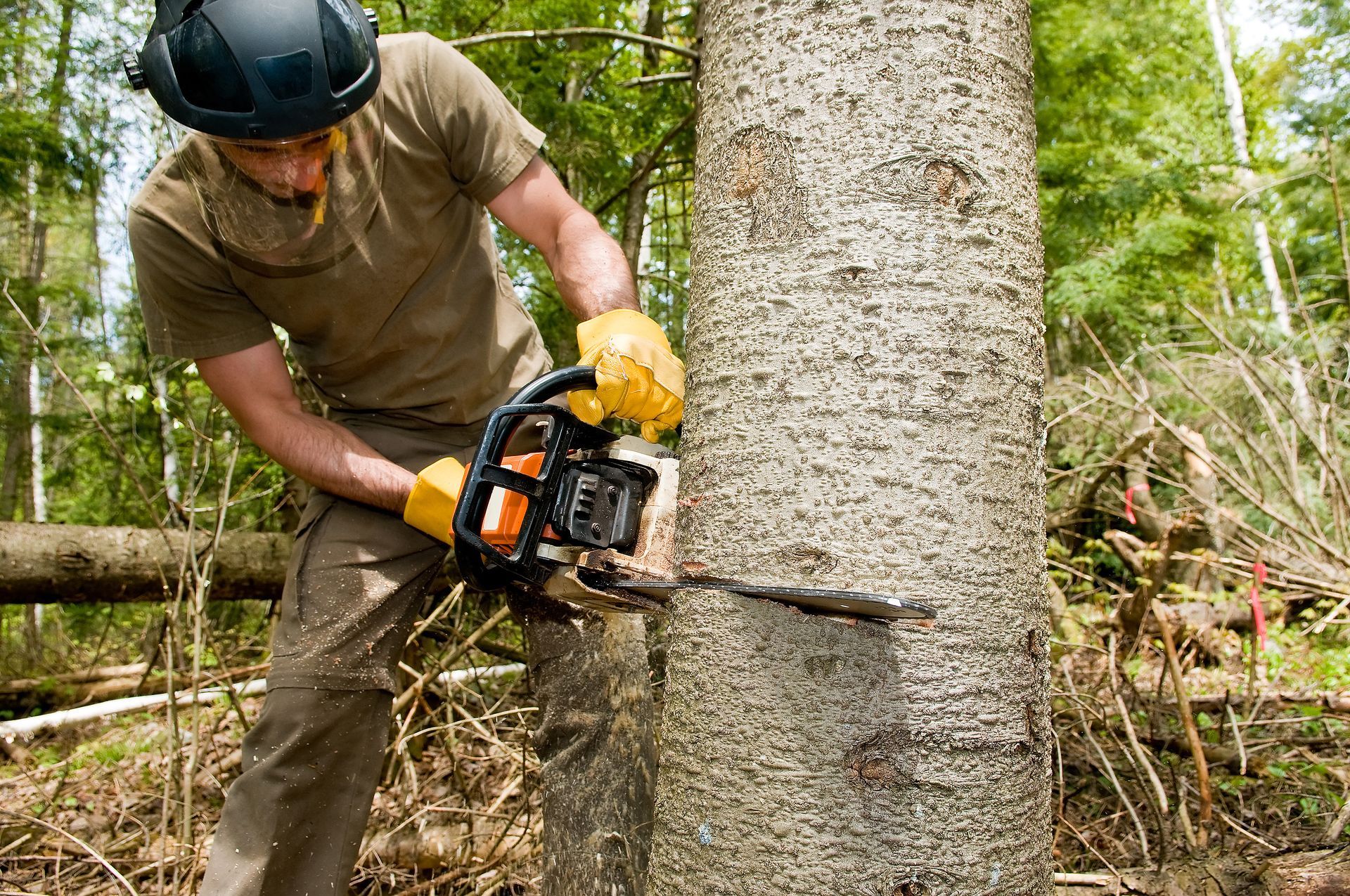
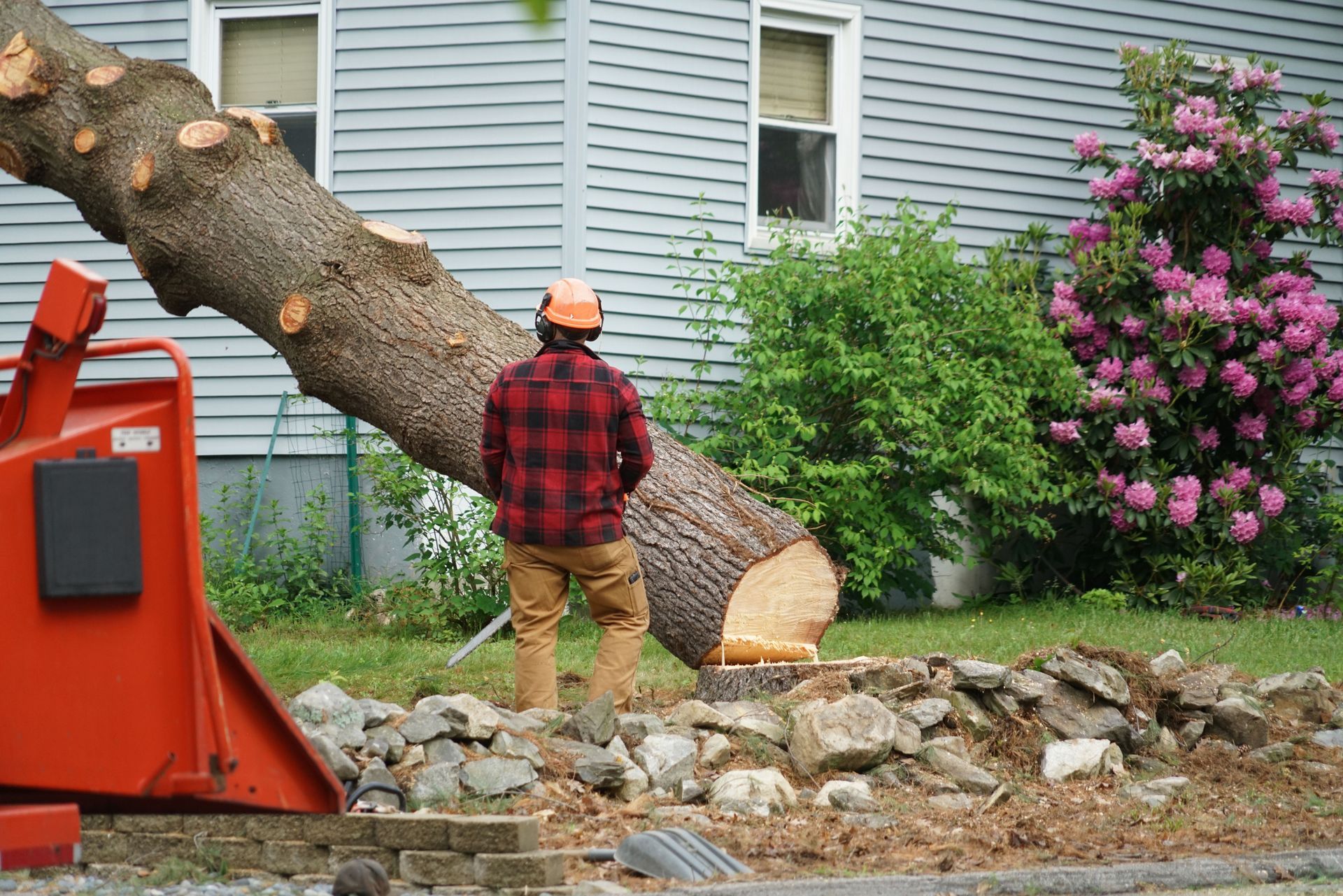
Mitigating landscape hazards often necessitates professional assessment and strategic felling. Removing a compromised specimen eliminates the risk of sudden impact damage and restores overall site security. A licensed tree removal company evaluates root health, canopy weight distribution, and soil stability to determine when eradication provides the safest outcome. Strategic land management safeguards real estate assets and protects everyone who lives on or visits the property.
1. Mitigating Risk From Falling Branches
Dead and decaying limbs represent a severe safety hazard on any residential or commercial property. Large overhanging branches become dangerously brittle as disease or infestation weakens the internal wood fibers. Sudden wind gusts or heavy rain events snap these compromised limbs, sending heavy debris plummeting toward the ground. People walking below, parked vehicles, and roof structures face severe danger from unexpected canopy breakage. Eliminating hazardous limbs or the entire specimen prevents sudden canopy failure and protects the immediate vicinity.
Large specimens carry massive weight in their upper canopy, multiplying the destruction caused by a falling limb. According to Lawn Love, trees shorter than 30 feet are usually classified as small, while those that are 60 feet or more are considered tall. When tall trees experience structural decline, their height turns standard branch drop into a fatal projectile hazard. The kinetic energy generated by a falling section from a tall canopy easily penetrates roofing materials and crushes exterior structures.
Contacting a professional tree removal company ensures the safe extraction of hazardous overhead growth before structural collapse occurs. Experienced arborists utilize specialized rigging equipment and crane systems to dismantle dangerous canopies piece by piece. This controlled dismantling process protects nearby structures and power lines from collateral damage during the extraction operation. Identifying and removing dangerous branches early preserves the structural integrity of the surrounding property.
Regular canopy inspections reveal early warning signs of decay, such as fungal brackets, peeling bark, and dead leaves. Property owners who act on these warning signs prevent costly emergency repairs and medical liabilities. Removing the hazard entirely provides lasting peace of mind and secures the airspace above the estate.
2. Protecting Foundations From Root Damage
The underground root systems of large plants expand extensively in search of moisture and soil nutrients. As underground roots thicken and grow outward, they exert immense pressure against concrete foundations, basement walls, and paved surfaces. This persistent mechanical force causes structural cracking, soil displacement, and severe foundation shifts over time. A professional company possesses the tools required to excavate and remove intrusive root balls before foundation collapse occurs.
Root intrusion into subsurface plumbing and sewer lines creates additional safety and sanitary hazards for property owners. Roots exploit tiny fractures in utility pipes to access water, eventually clogging the system and causing underground pipe ruptures. The resulting soil erosion from leaking pipes undermines the load-bearing capacity of the earth beneath walkways and driveways. Removing the offending specimen stops root expansion and prevents hidden underground destruction.
Structural stability requires maintaining an adequate buffer zone between vegetation and primary building foundations. When a specimen grows too close to a house, its expansive root system competes with the earth supporting the structure. Removing close-proximity plants preserves soil equilibrium and prevents differential settlement of the building foundation.
Addressing underground hazards demands specialized machinery to grind the remaining stump and eradicate the root collar. Simply cutting the trunk at ground level leaves the living root system capable of continued subterranean growth. Complete extraction ensures the permanent cessation of root pressure against critical masonry and underground infrastructure.
3. Removing Hazards Near Power Lines
Vegetation growing tangled within overhead utility lines presents an extreme risk of electrical fires and fatal electrocutions. Foliage that conducts electricity creates short circuits, sparks, and widespread neighborhood power outages during storms. A tree removal company employs trained utility arborists who follow strict safety protocols when working near energized conductors.
Wind storms blow flexible branches into contact with high-voltage power lines, creating live electrical hazards on the ground below. Children and pets play near energized fences or wet surfaces conducted by downed utility wires. Removing vegetation from utility easements eliminates the pathway for electrical current to reach the ground.
Utility companies maintain strict clearance regulations around power distribution networks to ensure public safety. Property owners who ignore overgrown vegetation near utility lines face municipal fines and liability for damaged electrical infrastructure. Partnering with a professional tree removal company ensures compliance with utility easement laws and safety standards.
Proactive clearing of utility corridors protects neighborhood connectivity and prevents emergency response delays during natural disasters. Clear overhead zones allow emergency vehicles to navigate roads without obstruction from downed electrified foliage. Safeguarding the power grid through strategic plant removal protects community safety and property infrastructure.
4. Preventing Structural Fall Near Buildings
Shallow-rooted or dead trees standing near buildings threaten complete structural collapse during severe storm events. Strong winds easily uproot unstable specimens, causing the entire trunk and canopy to crash into adjacent structures. The resulting impact demolishes roofs, shatters windows, and compromises the main structural frames of homes and offices. A qualified tree removal company utilizes predictive hazard assessments to identify unstable trunks before a collapse event happens.
Soil saturation during prolonged rain events loosens the earth gripping the root ball of heavy timber. Even healthy-appearing specimens tip over when the saturated ground fails to anchor their immense height and weight. Assessing soil conditions and trunk lean angle helps property managers decide when removal represents the most prudent choice.
Removing heavy timber away from building perimeters creates a vital defensive buffer against external physical impacts. Homes surrounded by clear defensible space suffer fewer structural casualties during severe meteorological events. Creating this safe perimeter requires the systematic dismantling of tall timber by skilled industry professionals.
Property insurers often mandate the removal of overhanging or leaning timber to maintain valid property hazard coverage. Unaddressed hazard trees void policy protections if an insurance adjuster determines the property owner neglected obvious arboricultural risks. Removing dangerous standing timber protects the financial investment and physical safety of the building occupants.
Property safety demands vigilance, ongoing landscape evaluation, and decisive action when structural hazards emerge. Trees provide immense value to an estate, but decaying wood, intrusive roots, and utility line conflicts turn assets into severe liabilities. Professional arboricultural intervention mitigates these risks by removing dangerous growth before weather events trigger catastrophic failures. Investing in preventative hazard mitigation safeguards structures, underground utilities, and human lives from preventable arboricultural disasters.
Homeowners and commercial property managers must prioritize safety by utilizing arboricultural specialists to manage their standing timber. Attempting DIY felling operations on large specimens introduces severe personal injury risks and property destruction. Partnering with a skilled tree removal company guarantees the safe, controlled extraction of hazardous timber using proper machinery and rigging techniques. Proactive landscape management remains the most effective strategy for maintaining a secure, resilient property year after year. If you are ready to protect your property from hazardous timber, contact Clean Cut Tree Service, Inc. today to schedule a professional consultation. Our team is the tree removal company you can rely on to eliminate landscape hazards safely and efficiently.