Trees are an essential part of residential and urban landscapes. They provide shade, reduce energy costs, improve visual appeal, and support local ecosystems by sequestering carbon dioxide and providing habitat for wildlife. Despite these advantages, there are times when tree removal becomes necessary to maintain safety, health, and overall property value. Homeowners often face complex decisions that involve assessing tree condition, potential hazards, and the long-term impact on their property. Understanding the reasons and considerations for tree removal helps ensure a safe and aesthetically balanced landscape. The following sections explore key factors to consider when evaluating whether a tree should be removed and how working with a local tree removal company can guide the process.
Identify Signs of Tree Health Decline
Examine Visible Diseases
Trees are vulnerable to diseases that compromise their stability and health. Common indicators include cankers — dead sections of bark or branches — and leaf discoloration, such as yellowing or browning. Weakened branches can break more easily during storms, posing risks to property and people. Noticing these symptoms should prompt a thorough assessment of the tree’s health. Consulting a local tree removal company can determine whether the tree can recover or if removal is the safest option.
Detect Pest Infestation
Pests like beetles and borers often attack trees internally, causing branch weakness, foliage loss, or death if left unmanaged. Evidence of pest infestation may include sawdust-like frass, exit holes in bark, or deformed growth patterns. While some infestations can be treated, extensive damage often requires removal to prevent spread to other trees. Working with a local tree removal company ensures accurate identification and safe handling.
Assess Structural Instability
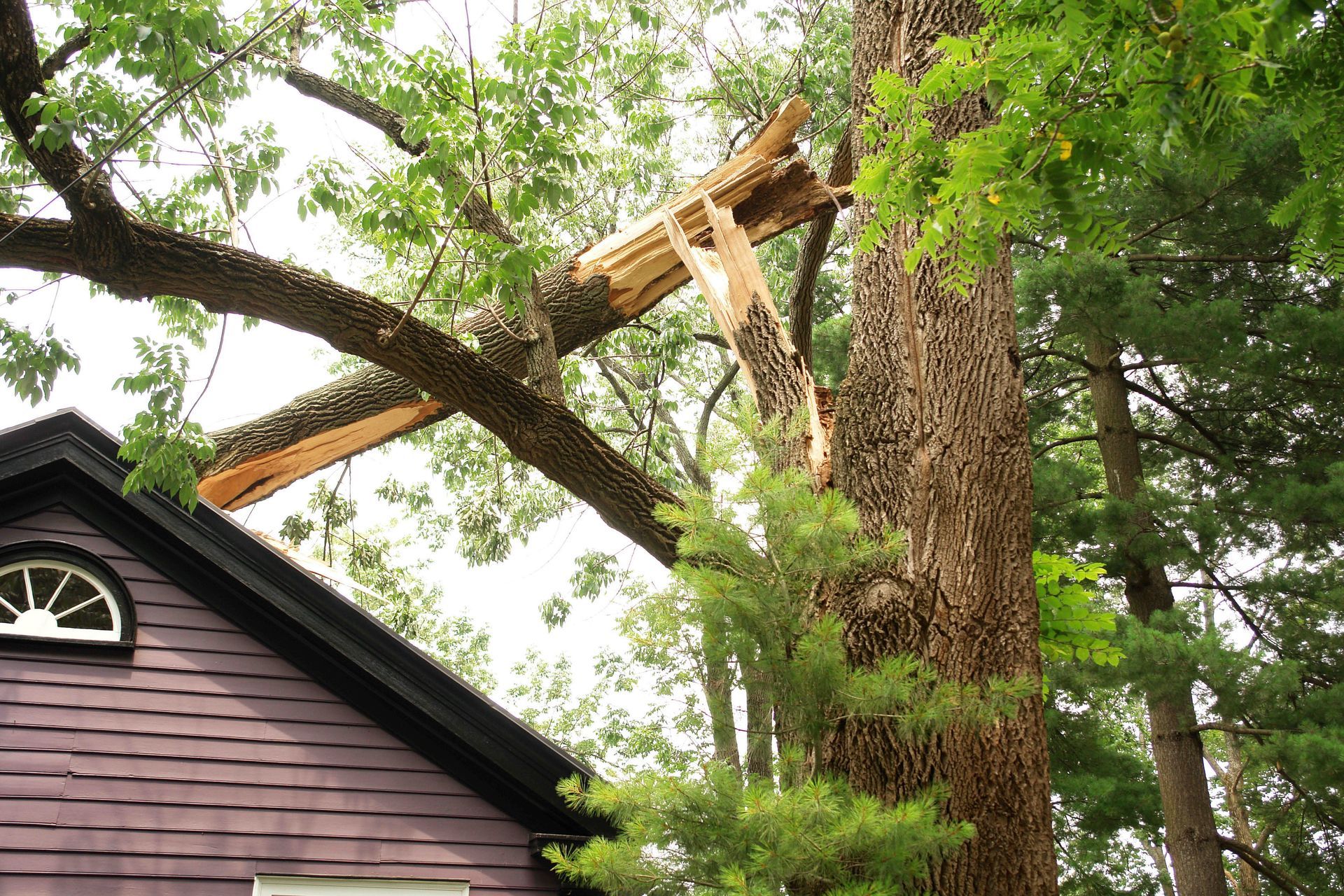
Over time, environmental and biological factors can compromise a tree’s structure. Large cracked limbs, leaning trunks, or irregular growth may indicate instability. Trees with structural weaknesses are more likely to fall during storms or high winds. Immediate evaluation by a certified arborist is essential. If stabilization is not feasible, removal is usually recommended to reduce potential hazards.
Monitor Root Damage
Roots anchor trees and supply essential nutrients, making root health critical. Indicators of root problems include exposed roots, soil upheaval, or fungal growth at the tree base. Root damage increases the risk of toppling during storms. Severe cases often necessitate removal to protect property and safety. A local tree removal company can evaluate the severity of root issues and recommend the safest course of action.
Track Decreased Growth
Slow growth, sparse foliage, or small leaves may indicate nutrient deficiency, disease, or pest problems. While pruning and fertilization sometimes restore tree vigor, persistent decline may require removal. Regular monitoring helps determine long-term health and informs decisions about intervention versus removal.
Evaluate Safety Risks and Hazards
Inspect Proximity to Structures
Trees growing near homes or other structures can become safety hazards as they mature. Overhanging branches risk damaging roofs, while roots can compromise foundations. Evaluating placement relative to buildings helps determine whether proactive removal is necessary. Working with a local tree removal company ensures safety when removing trees near structures.
Manage Utility Line Interference
Trees growing close to power lines create hazards, including outages, fires, and electrical risks. Removing or trimming such trees requires specialized knowledge and equipment. A local tree removal company provides safe solutions to protect property and maintain compliance with utility safety standards.
Assess Potential for Falling
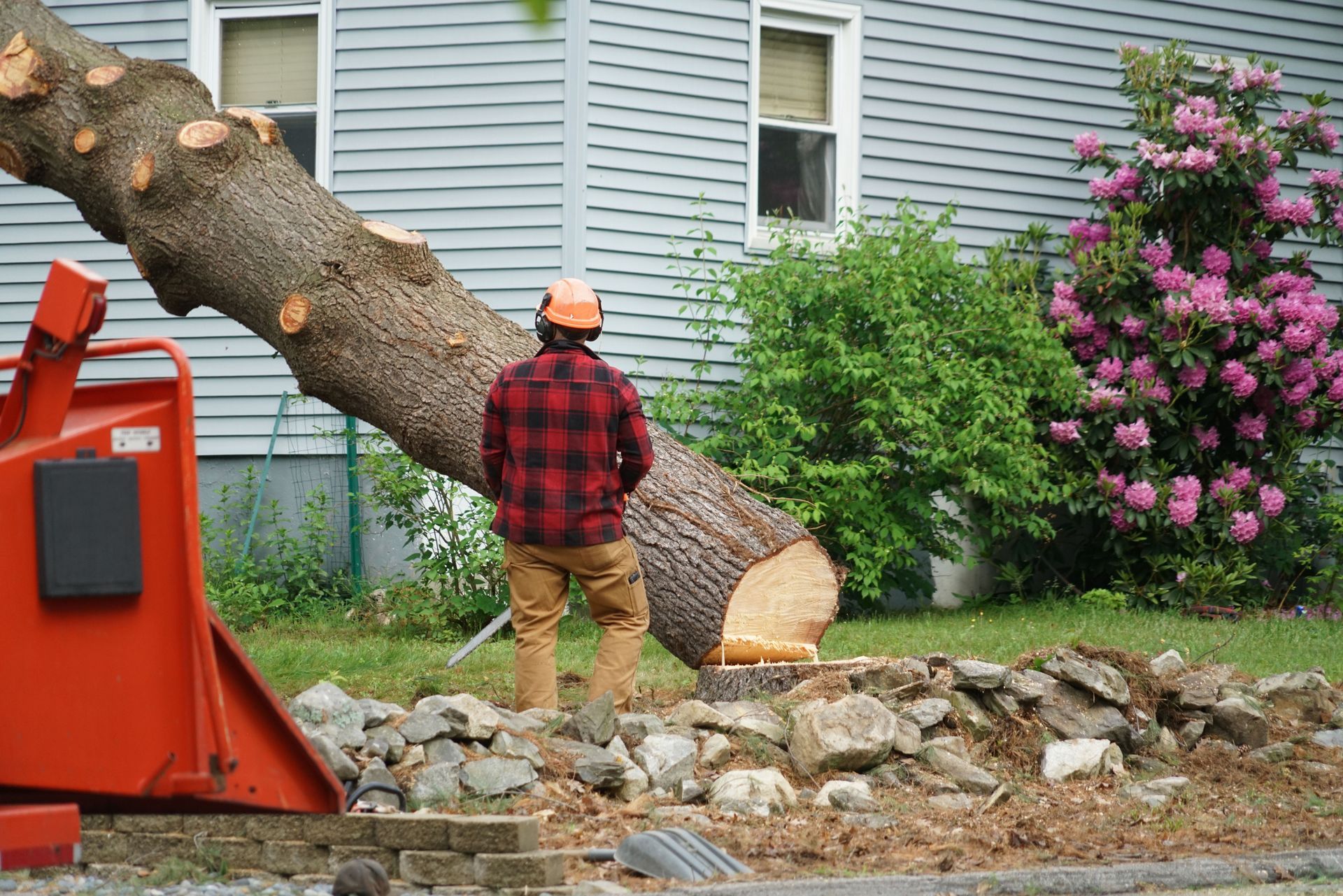
The size, lean, and stability of a tree influence its risk of falling. Large trees with slight leans or root lifting are especially concerning during storms. According to This Old House, large trees over 30 feet tall cost more to remove because they require specialized equipment, pose higher risks, and produce greater material waste. If fall risk is significant, removing the tree preemptively safeguards property and residents.
Prepare for Seasonal Storms
Weather events such as heavy snow, high winds, and storms increase stress on trees. Structurally unstable trees or weakened limbs are more likely to break, posing hazards. Regular inspections and maintenance reduce risks, but removal may still be necessary for high-risk trees.
Account for Human Activity
Trees located near play areas, patios, or gathering spaces can present safety concerns. Low-hanging or unstable branches increase the risk of injury. Assessing tree safety in spaces used by people helps determine if removal is warranted.
Consider Impact on Landscape and Property Value
Enhance Aesthetic Balance
Tree presence affects the visual appeal of a property. A well-placed tree adds structure and beauty, whereas overgrown or poorly located trees can detract from overall aesthetics. Tree removal may be necessary to maintain a cohesive landscape design. Working with a local tree removal company ensures removal is done carefully, preserving property appeal.
Optimize Lawn and Garden Space
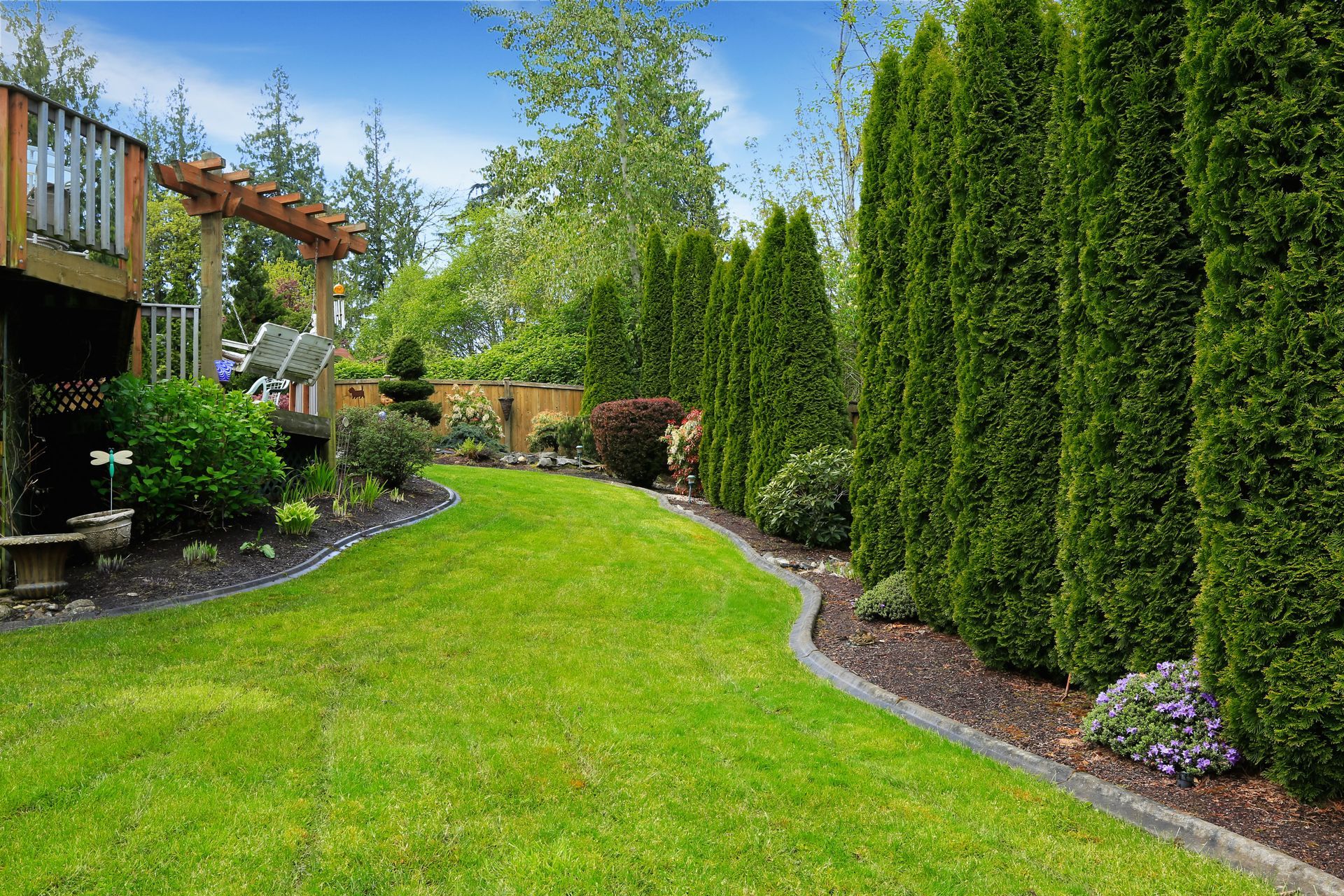
Trees occupy vertical and horizontal space, which can limit lawn and garden usage. Removing certain trees can open areas for flower beds, vegetable gardens, or outdoor structures. Planning removal strategically ensures landscape functionality without sacrificing ecological benefits.
Maximize Property Value
Healthy, mature trees can increase property value, while diseased or poorly positioned trees may reduce it. Proper removal of problematic trees often enhances safety, usability, and curb appeal, contributing to higher overall property value.
Improve Visibility and Curb Appeal
Trees that obstruct views or cover architectural features can affect curb appeal. Strategic removal allows sunlight, better views, and improved visibility for landscaping and buildings. Consulting a local tree removal company helps homeowners achieve the right balance between natural beauty and functionality.
Address Environmental and Ecological Factors
Maintain Ecosystem Balance
Trees support urban ecosystems by providing habitat, regulating carbon, and facilitating water cycles. Their removal impacts these functions, so planning for replacement trees or restoration projects helps maintain ecological health.
Protect Wildlife Habitat
Trees serve as homes and food sources for birds, insects, and mammals. When removing a tree, considering wildlife impact and potential replanting mitigates ecological disruption.
Minimize Carbon Footprint
Tree removal reduces carbon absorption capacity, affecting the environment. Implementing replanting or habitat restoration post-removal helps offset carbon release and maintain environmental responsibility.
Preserve Soil Stability
Roots stabilize soil and prevent erosion. Removing trees without compensatory landscaping may increase soil loss. Groundcover, mulch, or replacement plantings can protect soil integrity after removal.
Plan for Replanting Opportunities
Replacing removed trees strategically sustains ecological contributions and biodiversity. Selecting complementary species ensures long-term resilience and continuity in habitat support.
Navigate Legal and Regulatory Considerations
Follow Local Ordinances
Tree removal may be regulated by municipal codes, requiring permits or compliance with conservation rules. Understanding these ordinances ensures legal and responsible tree management.
Obtain Permits and Permissions
Permits verify that tree removal aligns with safety and environmental standards. Engaging with local authorities ensures all requirements are met before starting removal.
Address Neighboring Property Concerns
Trees near property lines may affect neighbors. Clear communication and consideration prevent disputes and maintain good community relations.
Respect Protected Tree Species
Certain species may be legally protected, requiring permits for removal. Consulting local agencies ensures compliance and ecological stewardship.
Use Licensed Professionals
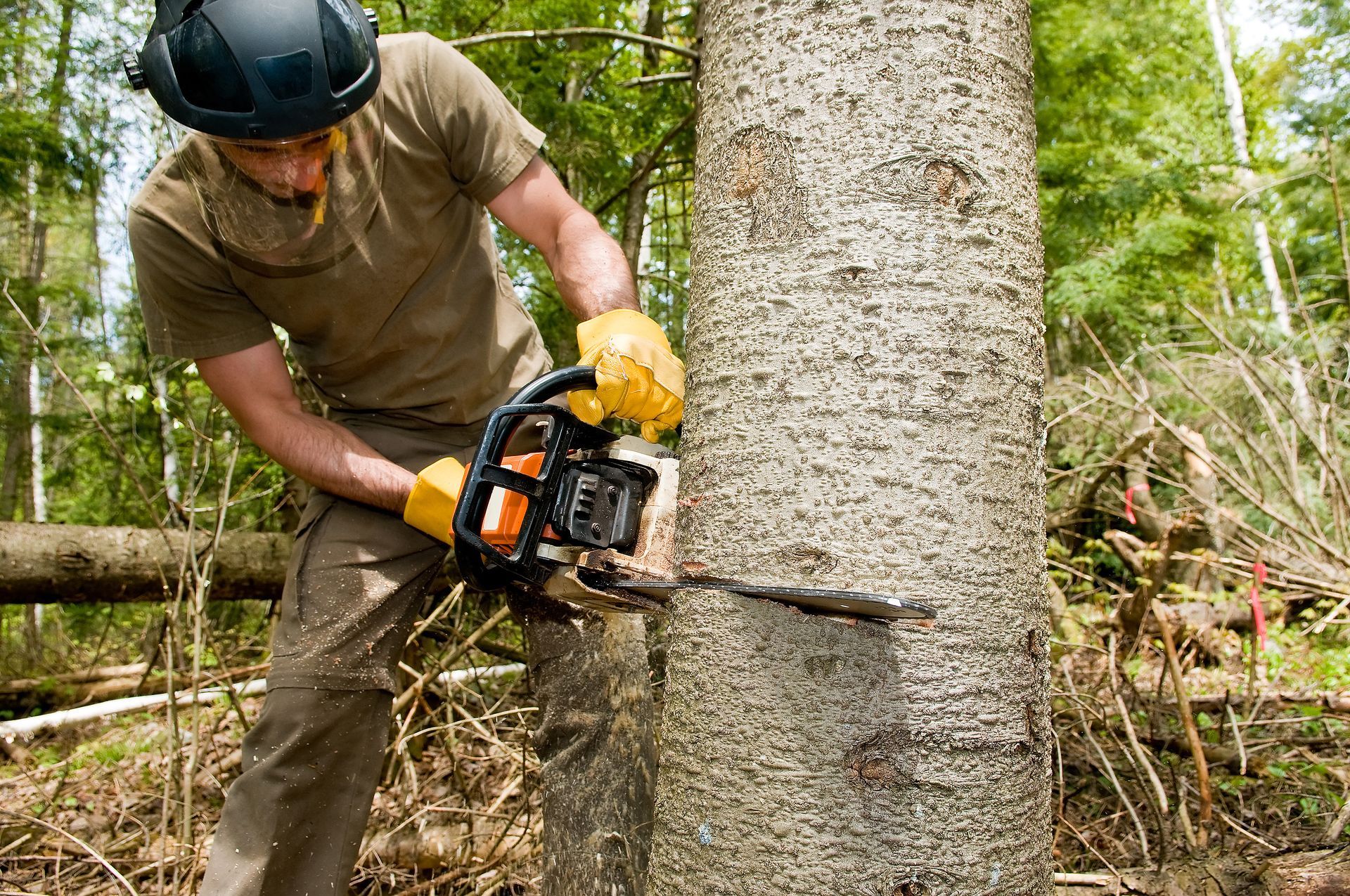
Professional involvement ensures safety, legality, and technical precision. Certified arborists provide proper equipment, knowledge, and methods for efficient tree removal. Engaging a local tree removal company guarantees compliance with safety and professional standards.
Evaluate Cost and Professional Services
Assess Tree Removal Costs
Removal costs vary by tree size, location, and complexity. Larger trees generally require specialized equipment, increasing expenses. Taller trees incur higher costs due to their size, risk, and waste management. Requesting estimates from multiple local tree removal companies helps homeowners budget effectively.
Obtain Quotes
Accurate quotes require detailed information about tree condition, size, and site challenges. Comparing multiple providers ensures fair pricing and informed decisions.
Consider Post-Removal Needs
Stump removal, root management, and potential landscaping changes should be considered in planning. Proper post-removal care enhances property aesthetics and functionality.
Plan Long-term Maintenance
Follow-up services such as trimming, pruning, or pest management reduce the risk of future tree removal. Ongoing care preserves tree health, safety, and property appeal over time.
Tree removal requires careful assessment of health, safety, aesthetic, environmental, and legal factors. Each property presents unique challenges that demand informed decision-making to balance these considerations. Working with a professional team ensures safe, efficient, and compliant removal while preserving long-term landscape and ecological integrity. At Clean Cut Tree Service, Inc., we provide comprehensive tree removal and maintenance solutions tailored to your property. Contact us today to schedule an assessment and protect your home, landscape, and community with our services.